Trusted by Over 15 000 Families since 2001



 Available Puppies
Currency
Country
Language

Italian Mastiff Breed Guide
A heavy headed, powerful, Italian protector
Written by Sandor Fagyal, EuroPuppy Founder &
Dog Industry Expert
Last updated: Apr 2, 2026

Suitability

Good with Kids

Generally Friendly with Pets

Potentially Suitable for Apartments

Good for first-time owners

Breed
Size
Extra Large
Height
61-69 cm
24-27 inches
Weight
39-43 kg
99-110 pounds
Lifespan
10-11 years
Coat Type
Short smooth coat
Colors
Black, grey, fawn, red, brindle

Care

High Energy (Active, needs exercise)

90–120 minutes of exercise/day

Low (Occasional brushing)

Occasional shedding

Rarely barks

Difficult (Hard to train)

Some health risks

Not allergen (Sheds allergens)

Needs Constant Company
Similar Breeds


Ready for your Italian Mastiff Puppy?













Italian Mastiff At-a-Glance
Breed Overview & Physical Traits

Originally developed in southern Italy, the Italian Mastiff or Cane Corso descends from the Roman Canis Pugnax war dogs, then adapted into a tough all‑purpose farm and estate guardian. For centuries it hunted wild boar and large game, drove cattle, and protected people, livestock, and property.
With modern farming changes the Cane Corso nearly vanished in the mid‑20th century, but dedicated Italian breeders revived it for work and companionship. Today most Italian Mastiffs are confident family guardians, excelling as property protectors, deterrent watchdogs, and trained partners in obedience, tracking, and protection sports.
Because they are powerful, intelligent and naturally territorial, Cane Corsos suit calm, confident owners who enjoy training and structure. They can live happily with children and other pets when well socialized, but are a poor choice for casual or hands‑off homes or most first‑time owners who lack time for daily guidance and clear boundaries.
The Italian Mastiff should look like an athletic bodyguard, not a lumbering giant: medium‑large, strongly built yet clearly agile, with a broad chest, powerful neck and firm topline. The head is large and square, with pronounced jaw, broad muzzle, obvious stop and tight, expressive eyes under slightly furrowed brows.
A correct Cane Corso coat is short, dense and shiny, with a light undercoat that thickens in winter but never turns fluffy. Accepted colours include black, greys, fawns, reds and brindles, always with a black or grey mask staying on the muzzle, plus small white patches only on chest, toes or nose.
Italian Mastiff Temperament
Playfulness, Affection, and Social Traits

The Italian Mastiff is, at heart, a calm and serious companion. Day-to-day, the Cane Corso is quiet, observant, and deeply family-oriented — not bouncy or clingy, but emotionally tuned in to the people it loves. This breed picks up on your mood quickly and mirrors it. Expect a dog that is sober indoors, deeply loyal, and occasionally vocal in the most charming way, with soft “roo-roo” sounds and snorts that owners quickly come to love.
When it comes to other dogs and pets, early socialization is the deciding factor. Cane Corsos that grow up alongside other animals can coexist peacefully — even with smaller dogs. Same-sex aggression can occur, so introductions should be done carefully and gradually. This is also a breed that genuinely needs an experienced, confident owner. Passive or inconsistent leadership makes this powerful dog harder to manage, not because it is stubborn, but because it takes its cues from the person in charge.
-
How does a Cane Corso act around strangers — will it be aggressive to my guests?
The Cane Corso is naturally reserved and watchful with strangers — not instantly friendly, but not randomly aggressive either. A well-socialized Italian Mastiff will stay calm and alert when guests arrive. Without early socialization, it may become overly suspicious. Training and proper introductions make a significant difference.
-
Is a Cane Corso good with kids — and what age are they best suited for?
Yes, the Cane Corso is good with kids — especially when raised alongside them. They are gentle and protective with its family’s children, though its size demands supervision around toddlers. Older children who can interact calmly are the ideal match for this powerful, devoted breed.
-
Are Cane Corsos actually affectionate, or are they just guard dogs?
The Cane Corso is deeply affectionate — but only with its family. This Italian Mastiff bonds intensely with its people and loves being close to them at home. Its guarding instinct is real, but so is its warmth. Expect a loyal dog that follows you room to room, not a cold, detached watchdog.
Italian Mastiff Exercise & Training
Activity Requirements for a Happy Dog

The Italian Mastiff is a powerful working breed that needs genuine daily commitment to exercise and training. Meet those needs and they are calm, loyal, and a joy to live with. Neglect them and you’ll quickly notice restlessness, destructive behavior, or excessive barking signaling an unhappy dog.
Training must begin the moment your puppy arrives home. The Cane Corso is intelligent but strong-willed, and bad habits become much harder to fix as they grow. Positive reinforcement works best — harsh corrections can increase stubbornness. First-time owners are strongly encouraged to work with a professional trainer during that critical first year.
For puppies, it’s important to keep exercise gentle and age-appropriate. Their joints and growth plates are still developing until around 18 months, so avoid long runs, excessive jumping, or repetitive high-impact activity. Short, frequent sessions — a gentle walk, some sniff time, a brief training game — are far safer and just as effective at building a happy, well-balanced dog.
-
What are the best ways to train a Cane Corso so they are well socialized and not over‑protective or aggressive with strangers and other dogs?
Start socializing your Cane Corso puppy before 16 weeks — expose them to strangers, other dogs, and new environments regularly. Socialization should never stop as they age, since their protective instincts grow stronger over time. Use positive reinforcement only; harsh methods increase aggression. A well-socialized Italian Mastiff is confident, calm, and a joy to own.
-
How do I keep an Italian Mastiff mentally stimulated?
The Italian Mastiff is a highly intelligent working breed that needs brain challenges as much as physical exercise. Daily training sessions, sniff walks, food puzzle toys, and scent games all help. Even 10–15 minutes of focused obedience practice tires them out effectively. A mentally occupied Cane Corso is a calm, happy, and well-behaved one.
-
Can an Italian Mastiff be left alone, or will they get destructive?
The Cane Corso bonds deeply with its family and can develop separation anxiety if left alone too long. This often shows as destructive chewing, barking, or restlessness. Build a consistent daily routine, exercise them well before you leave, and practice short absences first. With the right preparation, most Corsos can manage reasonable periods alone.
-
How much exercise does an Italian Mastiff need every day?
An adult Italian Mastiff needs at least one hour of exercise daily — ideally split into two walks. This working breed has good stamina and energy to burn. Without enough activity, they can develop problem behaviors like barking or destructive chewing. Puppies need much less — follow the 5-minute rule per month of age.
Italian Mastiff Health & Wellness
Common Issues and Lifelong Care

Italian Mastiffs are robust dogs but prone to several health challenges typical of large breeds. Hip and elbow dysplasia top the list, where joints don’t form properly, causing pain, limping, and eventual arthritis—reputable breeders screen parents for HD and ED.
Eye issues like entropion (eyelids rolling inward), ectropion, and occasionally progressive retinal atrophy (PRA) or cataracts can irritate eyes or impair vision; regular vet eye exams catch these early. Thyroid problems such as hypothyroidism lead to weight gain, lethargy, and skin issues, managed with lifelong medication after blood tests.
Heart conditions like dilated cardiomyopathy and breed-specific issues like Degenerative Myelopathy (DM) or Neuronal Ceroid Lipofuscinosis (NCL) warrant cardiac screenings and genetic tests.
With responsible breeding, proper diet, weight control, and annual vet check-ups including bloodwork, your Italian Mastiff can thrive. Lifespan averages 10-11 years, a solid long-term commitment for families ready for a devoted guardian.
-
How much are vet costs for an Italian Mastiff?
Expect higher veterinary costs due to size—annual exams, vaccines, and preventives run $300-$1,000, plus joint supplements or treatments adding up quickly for dysplasia or bloat emergencies. Choose a puppy from health-tested parents to keep the costs down.
Essential Italian Mastiff Care
Grooming, Feeding, and Daily Needs
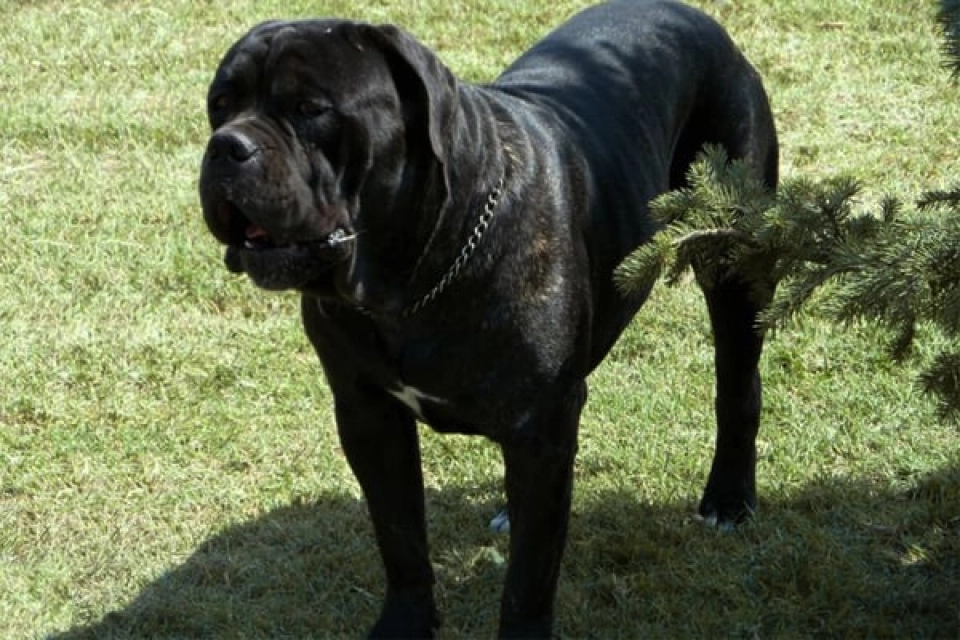
The Cane Corso has a short, dense coat that is genuinely low-maintenance — but don’t let that fool you. This powerful breed still sheds, especially in spring, and needs weekly brushing with a rubber mitt or soft brush to remove dead hair and keep the coat gleaming. Expect to wipe down floors and furniture regularly.
Beyond the coat, a few key areas need consistent attention: check and clean ears weekly, wipe around the eyes daily, trim nails every 3–4 weeks, and brush teeth two to three times weekly. The Italian Mastiff is a big dog with a big appetite, so feed adults twice a day with a high-quality, large-breed formula to avoid bloat.
-
What do first-time Cane Corso owners most often get wrong about daily care?
Many new owners underestimate how much a Cane Corso can eat and how quickly overeating leads to weight gain and joint stress. Measure portions carefully rather than free-feeding. Equally, ear and nail care get overlooked — both are quick weekly jobs that prevent bigger problems down the line. -
How many meals a day does a Cane Corso puppy need?
Puppies need 3–4 smaller meals daily to fuel rapid growth and keep energy steady. Split daily portions evenly across the day and transition gradually to adult feeding schedules around 12–18 months. Always use food formulated for large-breed puppies, as the right calcium-to-phosphorus balance supports healthy bone development. -
How much and how often should I feed an adult Cane Corso?
Adult Cane Corsos do best on two measured meals per day rather than one large feeding. This reduces the risk of bloat — a serious concern for deep-chested breeds. Choose a high-quality, large-breed dry food and follow the manufacturer’s weight-based guidelines, adjusting for your dog’s actual activity level. -
How often should I groom a Cane Corso and what tools do I need?
Weekly brushing with a rubber grooming mitt or soft-bristle brush is all the coat needs. Also wipe eyes daily, clean ears weekly, and trim nails every 3–4 weeks. A monthly bath is fine unless your dog rolls in something first. Most owners can handle all of this comfortably at home.
Is Italian Mastiff Right for You?
Suitability and Lifestyle Match
Many families who chose a Cane Corso through Euro Puppy find that the breed’s loyalty runs far deeper than they anticipated. The Italian Mastiff suits a confident, experienced owner who can provide consistent leadership from day one, daily outdoor exercise, and a securely fenced yard. Give them that, and what you get back is a calm, devoted, and surprisingly gentle companion.
If you’ve never owned a dog before, the Cane Corso is likely not the right starting point — even seasoned owners describe it as a serious commitment. Families with toddlers should also think carefully; at over 50 kilos, sheer size alone can unintentionally overwhelm small children. But if you’re a capable, present owner with a structured home, few breeds will reward you as fully.
Practical Guide to choosing and buying a Italian Mastiff

-
What other costs do I need to consider when owning an Italian Mastiff?
Owning an Italian Mastiff means planning for food, routine vet visits, preventive care like flea, heartworm, and vaccinations, plus occasional brushing since their short coat is low-maintenance. These essentials keep your big buddy healthy and happy every day.
Consider pet insurance and training—training is key here for this strong, protective breed to ensure good behavior. Insurance is especially smart given risks like hip dysplasia and bloat.
-
How much an Italian Mastiff cost?
For a well-bred Italian Mastiff (Cane Corso) puppy from a reputable breeder with champion bloodlines, full health testing, and written guarantees, 2025–2026 sources place prices in the 2,500–5,000 EUR range, with most established European kennels clustering around 3,000–4,000 EUR. In the USA, show-quality pups from top bloodlines are confirmed to reach $3,000–$5,000.
Show prospects from internationally titled parents can exceed 5,000 EUR, reflecting the investment in elite pedigree and responsible rearing.
A note on this guide: The information here reflects over 25 years of experience working with Italian Mastiff breeders, professional dog trainers and licensed veterinarians — enriched by real-world insights from thousands of EuroPuppy families who live with this breed every day.
Similar Breeds
Ready for your Italian Mastiff Puppy?
New Puppy Alert
Be ahead of the Crowd when a new Italian Mastiff is available by signing up to our Puppy Alert.