Trusted by Over 15 000 Families since 2001



 Available Puppies
Currency
Country
Language

West Highland White Terrier Breed Guide
The famous white and woolly Scottish Westie
Written by Sandor Fagyal, EuroPuppy Founder &
Dog Industry Expert
Last updated: Apr 2, 2026

Suitability

Good with Kids

Generally Friendly with Pets

Potentially Suitable for Apartments

Good for first-time owners

Breed
Size
Small
Height
23-30 cm
9-12 inches
Weight
5-9 kg
13-22 pounds
Lifespan
12-16 years
Coat Type
Long double coat
Colors
White

Care

High Energy (Active, needs exercise)

45–75 minutes of exercise/day

High (Frequent professional grooming)

Occasional shedding

Barks at Strangers & Unfamiliar Noises

Challenging (Needs consistent effort)

Complex medical needs

Allergen (Allergy-friendly coat)

Needs Constant Company
Similar Breeds


Ready for your West Highland White Terrier Puppy?
West Highland White Terrier At-a-Glance
Breed Overview & Physical Traits

The West Highland White Terrier traces its roots to the rugged Scottish Highlands, where it was carefully developed in the late 19th century. Colonel Edward Donald Malcolm of Poltalloch is widely credited with establishing the breed — selecting only pure white dogs to prevent them from being mistaken for prey during hunts.
Originally bred to hunt foxes, badgers, and rats beneath rocky terrain, the Westie earned its reputation as a fearless, tireless earth dog. Its small but powerful frame allowed it to bolt underground through narrow tunnels, while the bold terrier temperament kept it focused even when cornered by much larger animals.
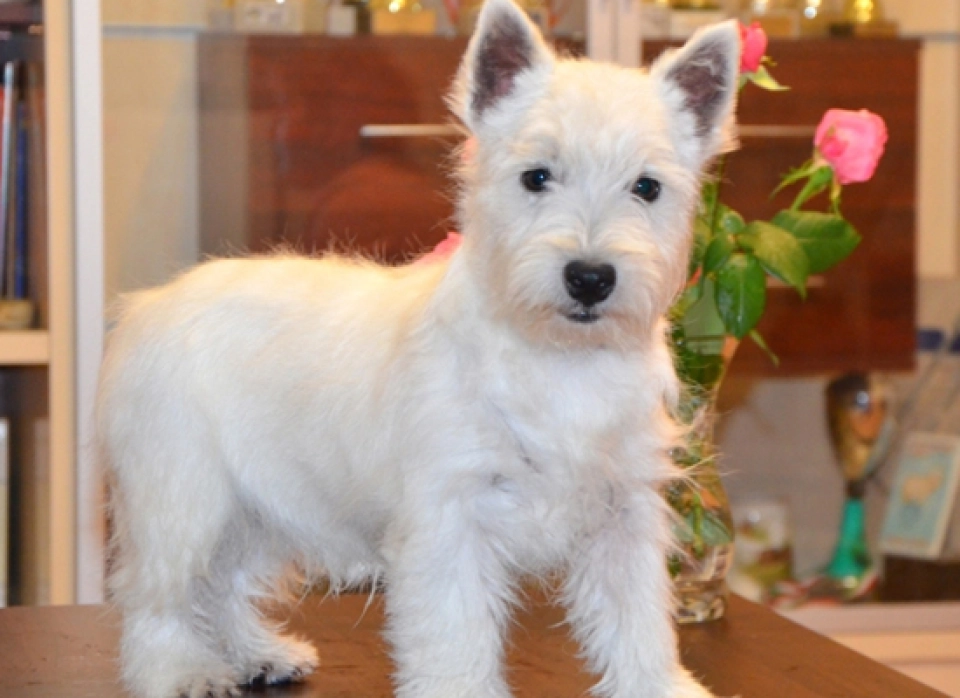
The West Highland White Terrier is a compact, well-balanced dog standing around 10–11 inches at the shoulder and weighing 7–10 kg. Its round head, wide-set dark eyes rimmed with black pigment, and small pointed erect ears give it an instantly alert expression. The sturdy hindquarters and deep chest quietly reveal its heritage as a hard-working earth dog.
Pure white is the only accepted coat color under the breed standard — no exceptions. The double coat has a harsh, straight outer layer approximately 2 inches long and a dense soft undercoat. Hair around the head is left longer to frame the face, creating the distinctive rounded “Westie look” that breed judges and devoted owners recognize immediately.
West Highland White Terrier Temperament
Playfulness, Affection, and Social Traits

The West Highland White Terrier — known to almost everyone as the Westie — is one of the most irrepressibly cheerful breeds you’ll ever meet. Its confidence far outpaces its size. Westie owners consistently tell us that what surprises them most is just how much personality is packed into that compact white frame.
With family, this breed is affectionate, game for almost any adventure, and eager to be where the action is — yet it keeps a noticeable independent streak. Clear boundaries and early socialisation help channel its bold, vocal watchdog instincts into good manners, so that lively energy stays fun rather than overwhelming.
-
Do Westies get along with other pets?
With other dogs, well-socialised Westies are often friendly, confident playmates, though they will stand up for themselves if pushed. Their terrier prey drive means small pets and outdoor cats need careful management. Slow introductions, supervision, and early training make it much more likely they live peacefully alongside other animals.
-
Are West Highland White Terriers good with children?
Well-bred Westies are typically cheerful, sturdy little companions who enjoy playing with respectful children. They cope best with slightly older kids who understand boundaries, as terriers rarely tolerate rough handling. With early socialization, clear family rules, and supervision around toddlers, they can become confident, spirited playmates in busy homes.
-
Are Westies affectionate lap dogs?
Most Westies adore being close to their people, but they balance affection with a strong independent streak. They enjoy cuddles on their own terms rather than constant lap time. Expect a dog that follows you, checks in often, and shows lively, people-focused affection more than clingy dependence.
West Highland White Terrier Exercise & Training
Activity Requirements for a Happy Dog

The West Highland White Terrier punches well above its weight in energy. This is a high-activity small breed that genuinely needs 45–75 minutes of daily exercise — split across two walks plus off-leash play in a safe, enclosed space. Westie owners consistently tell us that skipping the afternoon walk is the quickest way to a noisy, restless evening at home.
Training a Westie rewards patience far more than force. These dogs are bright and curious, but their terrier independence means they respond best to short, reward-based sessions — ideally five to ten minutes, two or three times a day. Start early, stay consistent, and socialise your puppy widely. That confident little personality needs clear, kind boundaries from the very beginning.
-
How do I stop my Westie from digging up the garden?
You probably can’t stop it entirely — digging is hardwired into this breed. Westies were bred to pursue prey underground, and that instinct doesn’t switch off. The most effective approach is to redirect it: designate a small dig pit in the garden, bury toys or treats there, and redirect your dog to it consistently. The behaviour channels, not vanishes.
-
What mental stimulation does a Westie need to stay happy?
Physical exercise alone won’t satisfy a Westie. Add daily brain work — puzzle feeders, scent games, short training sessions, or hide-and-seek with toys. Even ten focused minutes of nose work will take the edge off a restless dog. Westies that lack mental challenge become vocal, destructive, and difficult to live with.
-
Can a Westie be let off the lead at the park?
Only in a securely fenced area. West Highland White Terriers have a strong prey drive, and once something triggers it — a squirrel, a smell, a rustling bush — recall goes out the window. Build a reliable recall over months of consistent training at home first, then gradually extend to quiet, enclosed spaces before attempting busy parks.
-
Are Westies easy to train for first-time owners?
Westies are smart but independently minded — they learn fast when they want to. Keep sessions short, reward-based, and genuinely fun. Repetitive drills will have them wandering off within minutes. With patience and consistency, first-time owners can absolutely succeed, but expect a dog that pushes limits and needs firm, calm guidance from day one.
West Highland White Terrier Health & Wellness
Common Issues and Lifelong Care

West Highland White Terriers are a robust little breed with a lifespan of 12 to 16 years — impressive for any dog, and a testament to their hardy Scottish origins. That said, Westies do carry some well-documented hereditary tendencies that every prospective owner should understand before bringing one home. Being informed from day one is the best health investment you can make.
The most talked-about health challenge in the breed is skin allergies. Atopic dermatitis — a chronic inflammatory reaction to environmental or dietary triggers — affects up to a quarter of all Westies. Symptoms often appear between one and three years of age. Early diagnosis, allergen testing, and a tailored management plan can keep the condition well under control.
Craniomandibular Osteopathy (CMO), sometimes called “Westie jaw,” is a breed-specific condition where abnormal bone growth develops along the lower jaw in growing puppies. It can cause pain and difficulty eating between three and eight months of age. The good news: most cases resolve on their own by around 12 months, and puppies from health-screened parents are at lower risk.
Other conditions worth knowing about include patellar luxation (a kneecap that slips out of position), Legg-Calvé-Perthes disease (a hip joint condition seen in small breeds), and chronic active hepatitis, a liver condition seen in some Westie lines. Regular annual health checks, including bloodwork, give your vet the best chance of catching these early when they are most treatable.
Many families who chose a Westie find that the breed’s health demands are very manageable — but that consistent veterinary care is non-negotiable. Bi-annual vet visits, age-appropriate health screenings (including eye exams and cardiac checks), and prompt attention to any new symptoms all pay dividends over a lifetime. A healthy Westie is an active, spirited companion well into its teens.
-
What is Westie Lung Disease, and should I be worried?
Westie Lung Disease — formally known as idiopathic pulmonary fibrosis — is a breed-specific, slowly progressive respiratory condition that tends to appear in middle-aged and older dogs. Signs include exercise intolerance, laboured breathing, and persistent coughing. There is no cure, but early veterinary monitoring helps manage quality of life as long as possible.
-
Why does my Westie have itchy skin, and what can I do about it?
Westies are genetically predisposed to atopic dermatitis — a chronic skin allergy triggered by environmental factors like pollen and dust mites, or dietary proteins such as chicken and beef. Up to 25% of the breed is affected. Working with a vet to identify triggers, adjusting diet, and using targeted treatments can make a real difference to your dog’s comfort.
Essential West Highland White Terrier Care
Grooming, Feeding, and Daily Needs

The West Highland White Terrier’s bright white coat needs brushing two to three times a week and professional grooming every six to eight weeks — hand-stripping or clipping. The coat sheds very little, but dead hair stays in rather than falling out, so regular removal is essential. Pay close attention to the armpits, where mats form easily, and clean ears weekly.
Many families who chose a Westie through EuroPuppy find that food sensitivities are the biggest surprise. Westies are highly prone to dietary allergies, often triggered by chicken, beef, or wheat, and switching to a novel protein like salmon or duck can bring real relief. Two measured meals a day suit most adults, while puppies do better on three smaller portions.
-
How much should I feed a West Highland White Terrier, and how many times a day?
Most adult Westies do well on two meals a day — a measured portion of quality dry food suited to a small, active breed. Despite their small size, they can gain weight if overfed, so avoid free-feeding and keep treats to a minimum. Growing puppies typically need three to four smaller meals spread through the day.
-
Are Westies prone to skin problems, and can diet help?
Yes — skin issues are one of the most common concerns for Westie owners. Many cases are linked to food ingredients, particularly chicken, beef, wheat, corn, or soy. Switching to a high-quality food with a novel protein such as salmon, duck, or venison often helps. Adding omega-3 supplements (like fish oil) supports the skin barrier too.
-
How often should I groom a West Highland White Terrier, and what tools do I need?
Professional grooming every six to eight weeks is standard, with home brushing two to three times a week using a slicker brush and metal comb. Hand-stripping preserves the correct wiry coat texture, while clipping is the softer, easier pet-owner option. Between appointments, check the armpits for mats and keep ears and eyes clean.
-
Does a Westie shed a lot, and will I find white hair everywhere?
Westies are low shedders — they shed much less than most breeds, and the dead coat tends to stay in the fur rather than falling on your furniture. This is one reason they appear on hypoallergenic lists. Regular brushing two to three times a week removes that dead hair before it ever becomes a problem.
Is West Highland White Terrier Right for You?
Suitability and Lifestyle Match
Westies suit active people who want big personality in a small, apartment-friendly dog. Westie owners consistently tell us that what surprises them most is how easily this breed adapts — city flat or house with a garden, it settles in beautifully. You don’t need acres of space, but you do need time: daily walks, play, and a genuine eagerness to engage with your dog every day.
The West Highland White Terrier can be a challenge if you’re out most of the day — it needs company and will voice its unhappiness freely. Very young children and small pets also deserve thought: this breed’s confidence can be assertive, and its prey drive is real. But if you’re home often and consistent with training, the Westie repays your patience with loyalty and laughter daily.
Practical Guide to choosing and buying a West Highland White Terrier
-
What other costs do I need to consider when owning a Westie?
The Westie’s standout cost is professional grooming — that white double coat needs trimming every 6–8 weeks. Routine vet visits, vaccinations, and flea and heartworm prevention round out the essentials. Food stays affordable for this small breed.
Pet insurance is especially wise, as the West Highland White Terrier is prone to skin conditions — a frequent and costly issue for many Westies.
-
How much does a West Highland White Terrier puppy cost?
Expect to pay €1,800–€3,500 for a West Highland White Terrier puppy from a breeder with champion bloodlines, thorough health testing, and a written guarantee. Most European listings sit between €2,000 and €2,800. Few small breeds carry the Westie’s global show prestige and loyal family following — that consistent demand keeps quality puppies firmly priced.
A note on this guide: The information here reflects over 25 years of experience working with West Highland White Terrier breeders, professional dog trainers and licensed veterinarians — enriched by real-world insights from thousands of EuroPuppy families who live with this breed every day.
Similar Breeds
Ready for your West Highland White Terrier Puppy?
New Puppy Alert
Be ahead of the Crowd when a new West Highland White Terrier is available by signing up to our Puppy Alert.