Trusted by Over 15 000 Families since 2001



 Available Puppies
Currency
Country
Language

Dachshund Breed Guide
A playful and devoted ‘Sausage dog’
Written by Sandor Fagyal, EuroPuppy Founder &
Dog Industry Expert
Last updated: Apr 2, 2026
Suitability

Good with Kids

Needs Supervision with Pets

Suitable for Apartment Living

Good for first-time owners

Breed
Size
Small
Height
20-28 cm
8-11 inches
Weight
4-6 kg
11-16 pounds
Lifespan
12-15 years
Coat Type
Smooth short-haired, long-haired, and wire-haired
Colors
Red, cream, wild boar, black & tan, chocolate & tan, dapple, brindle

Care

Moderate Energy (Regular walks/play)

45–60 minutes of exercise/day

Low (Occasional brushing)

Moderate/Seasonal shedding

Barks at Strangers & Unfamiliar Noises

Challenging (Needs consistent effort)

Higher health risks

Not allergen (Sheds allergens)

Prefers Company
Similar Breeds



Ready for your Dachshund Puppy?




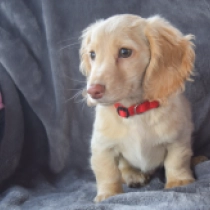

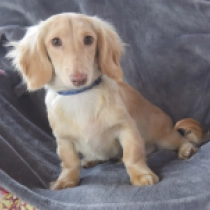

Dachshund At-a-Glance
Breed Overview & Physical Traits

The Dachshund — literally “badger dog” in German — was developed in Germany as early as the 15th century. Breeders shaped this dog with a clear purpose: an elongated body, short powerful legs, and loose protective skin to pursue badgers deep into underground tunnels. Bold, relentless, and built to work alone, this was no ordinary small dog.
Their hunting skills went far beyond badgers. Dachshunds also tracked foxes, rabbits, and wounded deer — packs were even known to take on wild boar. By the 19th century, European royalty had embraced the breed as a household companion, and the transition from fierce hunter to beloved family dog was well underway.
Today, the Dachshund — also warmly known as the Teckel across Europe — ranks among the world’s most popular companion breeds. They thrive in apartments and family homes alike. First-time owners, city dwellers, and families with older children all tend to love this breed for its loyal, playful, and adaptable nature.
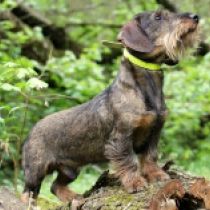
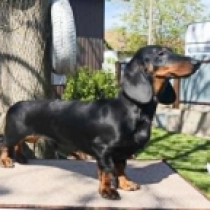
The Dachshund’s iconic low-slung silhouette is unlike any other breed — long, muscular body, deep chest, and short, strong legs built for digging. They come in two main sizes (Standard and Miniature, with a Rabbit size also recognized by the FCI), and three coat varieties: smooth, long-haired, and wire-haired.
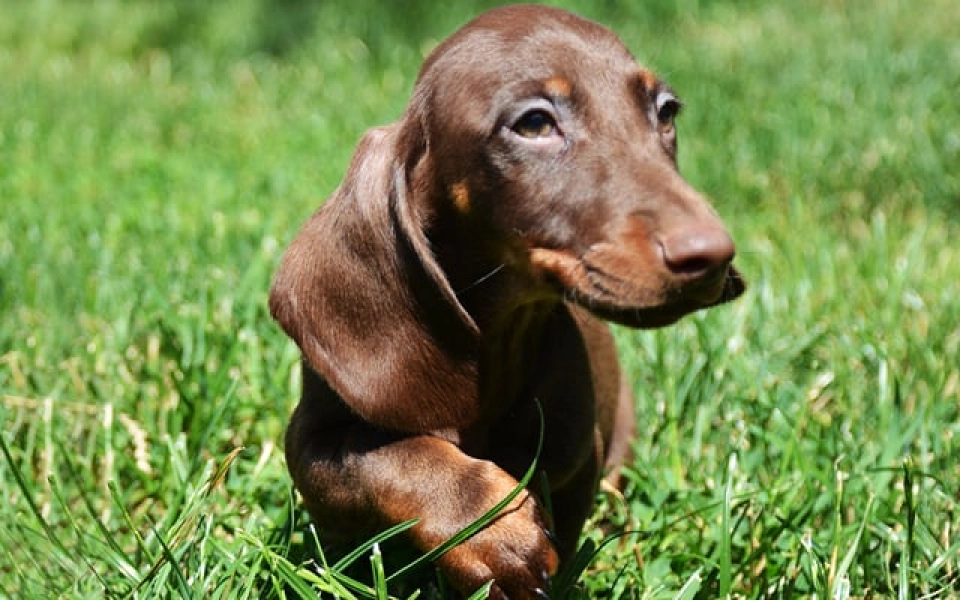
Standard colors include red, cream, black and tan, chocolate and tan, blue and tan, fawn (Isabella), brindle, piebald, sable and dapple (merle). The smooth coat is dense and shiny; the long-haired coat is soft with a gentle wave; the wire-haired is short, harsh, and weatherproof. All three share the breed’s proud posture and dark, expressive eyes full of intelligence.
Dachshund Temperament
Playfulness, Affection, and Social Traits

The Dachshund — also known as the Sausage Dog — carries a big personality in a small, long body. Lively, bold, and deeply loyal to their families, they are not inherently aggressive, but they can be vocal and occasionally snappy if they feel threatened. Early socialization is essential to raising a well-mannered, confident Wiener Dog who greets the world with curiosity rather than suspicion.
What surprises many new owners is that coat type can quietly influence character. Long-haired Dachshunds tend to be the calmest and most gentle of the three varieties. Wire-haired dogs are typically the most playful and outgoing. Smooth-haired Dachshunds can be a little more sensitive. Whichever variety you choose, the core Dachshund spirit remains the same: spirited, entertaining, and utterly devoted.
-
Can Dachshunds be left alone, or do they get separation anxiety?
Dachshunds prefer company and can struggle when left alone for long stretches. They bond closely with their people and may bark or become destructive if left too often. Short absences are generally fine. Building up alone time gradually from puppyhood, and providing mental stimulation before you leave, makes a real difference for this devoted breed.
-
Do Dachshunds get too attached to one person, or are they loving with the whole family?
Dachshunds are devoted to their whole family, but they do tend to pick a favourite person — usually whoever spends the most time with them. They are lively, affectionate, and love being part of daily life. With early socialisation, the Teckel (as they are also known) is warm and loving with every family member.
-
Are Dachshunds really as stubborn as everyone says, or is that exaggerated?
The reputation is fair — but not the whole story. Dachshunds are independent thinkers, bred to hunt solo underground without direction from a human. That makes them bold and confident, not spiteful. With patient, consistent training and a little motivation (usually treats), your Dachshund will surprise you with how clever they really are.
Dachshund Exercise & Training
Activity Requirements for a Happy Dog

The Dachshund is a brave little hunting dog at heart, and that matters more than most new owners expect. Their ancestors were bred to track, dig, and work independently underground — which means this breed has a genuinely active, curious mind that needs to be engaged every single day.
A bored Dachshund is a creative Dachshund — and not always in a good way. Chewed furniture, non-stop barking, or enthusiastic redecorating of your sofa cushions are all classic signs that your sausage dog isn’t getting enough mental stimulation. Puzzle feeders, snuffle mats, nose-work games, and simple hide-and-seek treat activities are surprisingly effective at tiring out a Dachshund’s busy brain — sometimes more than a walk will.
If you’re bringing home a Dachshund puppy, be aware that their exercise needs are very different from an adult’s. Young puppies should only have short, gentle play sessions — roughly five minutes per month of age, a couple of times a day — because their bones and, crucially, their long spine are still developing. Too much impact or rough play too early can cause lasting damage. Let your puppy grow at their own pace, keep activities calm and low to the ground, and save the longer adventures for when they’re fully grown.
-
Are Dachshunds hard to train?
Dachshunds are intelligent but famously stubborn — bred to hunt independently underground, so following instructions doesn’t always come naturally. Short, reward-based sessions work best. Consistency is everything. With patience and positive reinforcement, most Teckel owners find their dog learns commands reliably and genuinely thrives at nose work and scent games. -
Can Dachshunds go up and down stairs, and is jumping bad for their back?
Yes — jumping and repeated stair climbing can seriously injure a Dachshund’s spine. Their elongated back makes them highly prone to IVDD, a painful disc condition. Breed clubs and vets strongly recommend ramps instead of stairs, and always lifting your dog on and off sofas or beds.
-
How much exercise does a Dachshund actually need every day?
Adult Dachshunds need around 45–60 minutes of exercise daily — splitting this into two shorter walks works well. Despite their small size, sausage dogs are surprisingly energetic and were bred to hunt. Without enough activity, they easily gain weight, putting dangerous extra strain on their long backs.
Dachshund Health & Wellness
Common Issues and Lifelong Care

The Dachshund’s long body and short legs are iconic — but that same build puts real pressure on the spine. Back problems are the number one health concern in the breed. Warning signs include yelping, a hunched posture, or reluctance to climb stairs. If you notice any of these, see a vet the same day.
Dachshunds can also inherit a progressive eye disease that gradually reduces their vision over time. One form — most common in long-haired miniature Dachshunds — can eventually lead to full blindness. It develops gradually and causes no pain, but there is no cure. Responsible breeders test for it. When choosing your puppy, always ask whether both parents have had recent eye health checks.
Keeping your Dachshund at a healthy weight is one of the most powerful things you can do for their health. Extra weight puts direct strain on the spine and raises back problem risk significantly. It also increases the chance of heart issues and diabetes as they age. The breed is famously food-motivated — those soulful eyes make overfeeding very easy. Resist.
With good care, the Dachshund — also known as the Wiener Dog or Dachsie — typically lives 12 to 16 years. The breed does carry some health risks, so annual vet check-ups should be a planned, expected part of life together. Specialist visits are possible, so budget for them. Starting with a health-tested puppy and keeping them lean makes all the difference.
-
What health tests should I ask a Dachshund breeder about?
Ask for eye test results and spinal health screening for both parents. A good breeder tests for inherited eye disease and back problems — and shares results openly and honestly. If a breeder is reluctant to share this information, that is a red flag. A healthy Dachshund starts with transparent, responsible breeding.
-
How much are vet costs for a Dachshund?
Routine annual vet care is manageable, but back problems can bring significant costs — spinal surgery alone ranges from $5,000 to $12,000, and that is without follow-up care. Pet insurance is strongly recommended for this breed. Take out a policy before any issues appear. It could save you thousands and mean you never have to choose between cost and your dog’s recovery.
-
How do I know if my Dachshund is having a back problem?
Watch for sudden yelping, a hunched back, or reluctance to climb stairs. If your Dachshund drags its back legs or suddenly refuses to move, treat it as an emergency and see a vet the same day. Acting fast makes a real difference — early treatment leads to significantly better outcomes.
Essential Dachshund Care
Grooming, Feeding, and Daily Needs
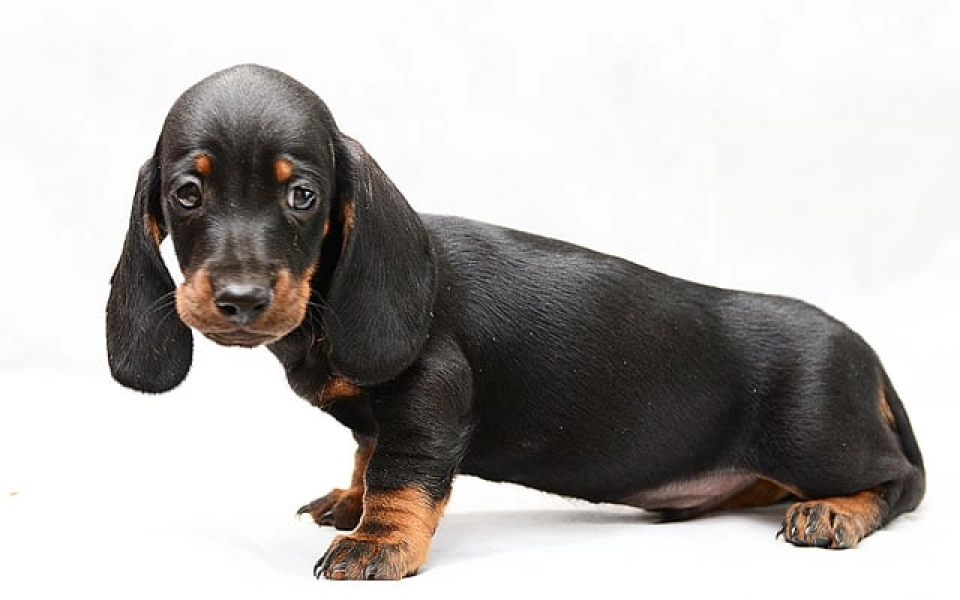
The Dachshund comes in three coat varieties: smooth, long-haired, and wire-haired. Smooth coats need a quick brush once or twice a week, while long-haired coats need daily brushing with a pin brush to prevent mats behind the ears. Wire-haired coats require brushing 2–3 times weekly plus professional hand-stripping twice yearly.
Feeding a Dachshund calls for strict portion control, as this breed gains weight very easily — and even a little extra weight puts serious pressure on their long spine. Adult Dachshunds do best with two measured meals a day, while puppies thrive on three to four smaller meals. Always measure portions and skip the table scraps.
-
Are Dachshunds prone to weight gain, and why does it matter so much?
Yes — weight management is critical for Dachshunds. Their long spine is placed under real strain with every extra pound, increasing the risk of serious back problems. Stick to measured portions, keep treats minimal, and avoid table scraps. Being able to feel — but not see — your dog’s ribs is a good weight guide.
-
How much should I feed my Dachshund each day?
Adult Dachshunds typically need ½ to 1½ cups of dry food per day, split into two meals — less for Miniature Dachshunds, a little more for Standards. Always use a measuring cup. Puppies under six months do best with three to four small meals daily, gradually transitioning to two as they mature.
-
Can I groom a Dachshund at home, or do I need a professional groomer?
Smooth-haired Dachshunds are easy to manage entirely at home. Long-haired owners can handle most daily brushing themselves, with the occasional professional trim. Wire-haired Dachshunds benefit from professional hand-stripping two or three times a year to maintain their coat texture — but regular brushing between sessions is simple to do yourself.
Is Dachshund Right for You?
Suitability and Lifestyle Match
Dachshund owners consistently tell us that this breed fits surprisingly well into almost any home — apartment, house, city, or countryside. What they all share is patience with a stubborn streak and a schedule that allows plenty of company. They bond deeply and reward that closeness with devoted, entertaining, and genuinely warm companionship every single day.
If you’re away from home for long hours most days, a Dachshund won’t cope well — they thrive on presence and develop anxiety quickly without it. You’ll also need to actively manage their spine health: no jumping from furniture, a healthy weight, and regular walks. Do that, and you’ve set up one of the most charming small breeds for a long, healthy life.
Practical Guide to choosing and buying a Dachshund
-
What other costs do I need to consider when owning a Dachshund?
Budget for quality food (portioned carefully — weight gain is a real concern), routine vet visits, vaccinations, and flea and heartworm prevention. Most Dachshund coats need minimal grooming; long-haired types need regular brushing.
Pet insurance is the standout optional cost — Dachshunds (or Teckels) carry known back health risks. Early training classes are a smart investment for this clever but stubborn breed.
-
How much a Dachshund cost?
For a well-bred Dachshund — also lovingly called a Doxie — from a reputable breeder with champion bloodlines, full health testing, and written guarantees, current sources place the price roughly in the 1,800–3,500 EUR range, with most quality puppies clustering around 2,200–3,000 EUR. Exceptional show prospects from titled parents can go higher, reflecting the real cost of responsible breeding.
A note on this guide: The information here reflects over 25 years of experience working with Dachshund breeders, professional dog trainers and licensed veterinarians — enriched by real-world insights from thousands of EuroPuppy families who live with this breed every day.
Similar Breeds
Ready for your Dachshund Puppy?
New Puppy Alert
Be ahead of the Crowd when a new Dachshund is available by signing up to our Puppy Alert.