Trusted by Over 15 000 Families since 2001



 Available Puppies
Currency
Country
Language

Belgian Malinois Breed Guide
A loyal, sporting and hard working dog
Written by Sandor Fagyal, EuroPuppy Founder &
Dog Industry Expert
Last updated: Apr 21, 2026

Suitability

Good with Kids

Needs Supervision with Pets

Unsuitable for Apartment Living

Not recommended for first-time owners

Breed
Size
Large
Height
61-66 cm
24-26 inches
Weight
22-26 kg
55-65 pounds
Lifespan
12-16 years
Coat Type
Short, smooth double coat
Colors
Fawn to mahogany with black overlay and black mask

Care

Very High Energy (Requires lots of activity)

90–120 minutes of exercise/day

Moderate (Weekly grooming needed)

Moderate/Seasonal shedding

Alerts to Visitors

Very Easy (Quick learner)

Some health risks

Not allergen (Sheds allergens)

Prefers Company
Similar Breeds


Ready for your Belgian Malinois Puppy?
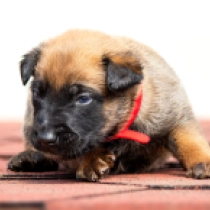
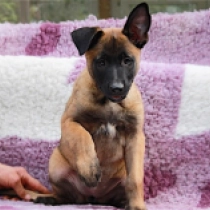

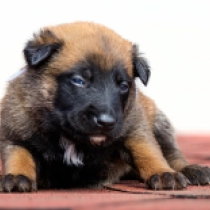
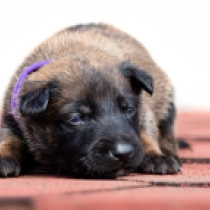
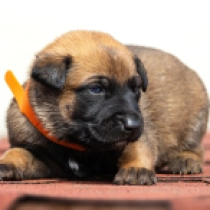
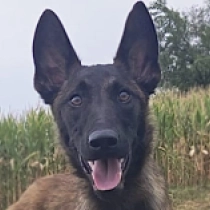

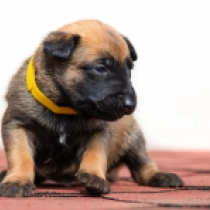
Belgian Malinois At-a-Glance
Breed Overview & Physical Traits

Few breeds combine such intense drive with deep roots as this remarkable herding dog. Developed in the 1800s around Mechelen in Belgium, the Belgian Malinois is the short‑coated, fawn variety of the wider Belgian Shepherd Dog family. Originally valued by farmers for tireless herding, the breed was later formalised in national standards.
Bred first to move sheep and cattle all day across damp Belgian fields, these dogs soon proved their courage in far harsher settings. During the World Wars, Malinois served as messenger, ambulance, and draft dogs, working in border patrol, Red Cross units, and other military tasks under fire.
Today this breed is one of the world’s most trusted police and military working dogs. Within the Belgian Shepherd Dog group, the Malinois is favoured for border patrol, detection, protection, and elite special-operations units, including the Navy SEAL dog Cairo. For family life, they suit highly active, experienced owners who enjoy daily training.
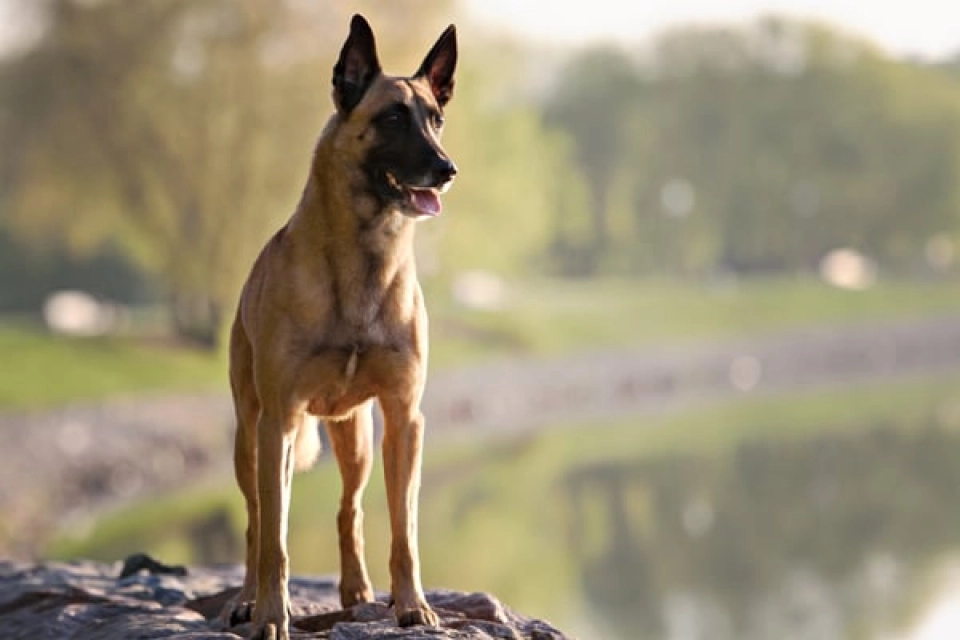
The Belgian Malinois is a medium-to-large, squarely built athlete with a proud, high head carriage and deep chest for stamina. Males stand about 24 to 26 inches and 60 to 80 pounds; females are lighter and finer-boned. The head is clean and wedge-shaped with a moderate stop, dark almond eyes, and high-set triangular ears that stay erect, giving a constant, questioning look. A short, hard double coat lies close to the body, weather-resistant and easy to maintain with weekly brushing.
The accepted color range is rich fawn to mahogany, with black-tipped hairs creating an overlay across the body. A pronounced black mask covering the muzzle and extending around the eyes, combined with black ears, is a defining characteristic of the Malinois variety and required by breed standards. The chest may show minimal white, but the overall impression is of a warm, earthy coat with dramatic dark accents that highlight the dog’s alert expression.
Belgian Malinois Temperament
Playfulness, Affection, and Social Traits

The Belgian Malinois — sometimes called the Belgian Shepherd Dog — is not a breed you casually share the sofa with. This is a dog that bonds deeply and works hard, showing love through action rather than idleness. They thrive on loving companionship and will follow their person through every task of the day, alert, focused, and completely devoted.
Belgian Malinois owners consistently tell us that the playful side of this breed genuinely surprises them — especially early on. Yes, they’re serious dogs with a strong work drive, but in the right environment, they’re enthusiastic, fun-loving companions who bring enormous energy to every game and training session. That intensity is the very thing their families come to love most.
-
Are Belgian Malinois friendly with strangers and other dogs?
Strangers take time — Belgian Malinois are naturally reserved and watchful around unfamiliar people, not aggressive, but never instantly warm. With other dogs, they generally do well with familiar companions, especially those they’ve grown up with. Early and consistent socialization is what makes the difference between a well-adjusted Mal and a reactive one.
-
Are Belgian Malinois affectionate with their owners?
Belgian Malinois are deeply devoted to their people, but their affection looks different from most breeds. They don’t ask for long sofa cuddles — they bond through doing things with you. Training sessions, outdoor runs, a game of fetch — that’s how a Mal expresses love. Once they’ve chosen you, that loyalty is unwavering and genuinely profound.
-
Are Belgian Malinois good with kids?
They can be wonderful with children — loyal, watchful, and genuinely gentle when raised alongside them from puppyhood. That said, their high energy and herding instincts mean supervision is always necessary around young children. Older, active kids who respect boundaries tend to bring out the very best in this breed.
Belgian Malinois Exercise & Training
Activity Requirements for a Happy Dog

The Belgian Malinois needs more than a daily walk — it needs a job. This breed was built to work all day alongside police officers and herders, and that drive doesn’t switch off at home. With puppies, keep each session short: five minutes per month of age is the rule, so a four-month-old gets just 20 minutes. Their bones are still growing.
Many families who chose a Belgian Malinois find that the training side surprises them most. This breed is exceptionally quick to learn — but it needs a job, a routine, and a confident owner to thrive. Agility, tracking, herding trials, and obedience competitions are all natural fits. A Malinois with a clear purpose is a genuinely joyful dog to live with.
-
How do I mentally stimulate a Belgian Malinois at home?
Nose work, puzzle feeders, obedience drills, and trick training are your best tools. Mental exercise tires a Malinois faster than physical activity alone — even a 15-minute scent game can take the edge off a restless dog. Rotating activities keeps the challenge fresh. Dog sports like agility or tracking are ideal long-term outlets.
-
Are Belgian Malinois easy to train for first-time owners?
They are fast learners — but that cuts both ways. A Belgian Malinois picks up bad habits just as quickly as good ones. Firm, consistent, reward-based training works well; harsh corrections backfire and can cause anxiety. Most experienced trainers advise first-time owners to enroll in structured classes early and commit to daily short sessions.
-
What happens if a Belgian Malinois doesn’t get enough exercise?
Boredom in this breed looks like destruction. Expect chewing, digging, relentless barking, and restless or reactive behaviour when daily needs aren’t met. An under-exercised Malinois is not a calm dog — it’s a frustrated one. Consistent daily activity isn’t optional; it’s what keeps this breed genuinely happy and easy to live with.
-
How much exercise does a Belgian Malinois need every day?
Plan for at least 90 to 120 minutes of vigorous activity every day — not a gentle stroll, but running, fetch, agility, or off-leash play. Many owners split this across two or three sessions. Working-line dogs often need even more. Skipping days doesn’t balance out; this breed needs consistent, daily movement to stay settled.
Belgian Malinois Health & Wellness
Common Issues and Lifelong Care

The Belgian Malinois is one of the healthiest working dog breeds around — tough, resilient, and built to last. That said, like all breeds, the Malinois carries some hereditary risks that every prospective owner should understand. Knowing what to watch for from day one helps you stay ahead of problems and give your dog the long, active life it deserves.
Hip and elbow dysplasia are the most commonly noted structural conditions in the breed. Both are hereditary joint disorders where abnormal development leads to pain, reduced mobility, and early arthritis. Early signs — like stiffness after rest, reluctance to jump, or a subtle change in gait — can appear before the dog shows obvious distress, so annual vet checks are valuable from the first year.
Eye health deserves close attention in the Malinois. Progressive retinal atrophy (PRA) — a genetic disease where the retina gradually deteriorates, eventually causing blindness — is a known concern in the breed. So are hereditary cataracts and pannus, an immune-related eye condition. None of these conditions are painful in early stages, which means visual changes can go unnoticed without regular ophthalmic examinations.
One health issue that often surprises new Malinois owners is hereditary ataxia — a breed-specific neurological condition caused by a recessive genetic mutation. Affected puppies begin showing uncoordinated movement and hindlimb weakness in their first two years of life. Responsible breeders test for this genetically, so it is entirely avoidable when you choose a breeder who conducts proper DNA screening on their breeding dogs.
Based on feedback from owners, epilepsy and thyroid dysfunction (hypothyroidism) are two further conditions worth raising with your breeder — neither is extremely common in the breed, but both appear in breed health discussions with enough frequency to mention. Hypothyroidism in particular can be subtle, causing weight gain, lethargy, or coat changes that owners may attribute to other causes. A simple blood test confirms or rules it out.
-
What health tests should I ask a Belgian Malinois breeder about?
Ask any breeder for evidence of hip, elbow, and eye evaluations on both parents — these are the core screenings recommended by breed health bodies worldwide. It is also worth asking about genetic testing for hereditary ataxia, a breed-specific neurological condition, and whether the breeder’s lines have a history of epilepsy or thyroid problems.
-
How long do Belgian Malinois live?
The Belgian Malinois is a long-lived working breed, with a typical lifespan of 12 to 14 years — and many well-cared-for dogs reaching the higher end of that range. Regular veterinary checkups, a balanced diet suited to their activity level, and keeping them mentally and physically active all play a real role in helping your Mal age well.
Essential Belgian Malinois Care
Grooming, Feeding, and Daily Needs
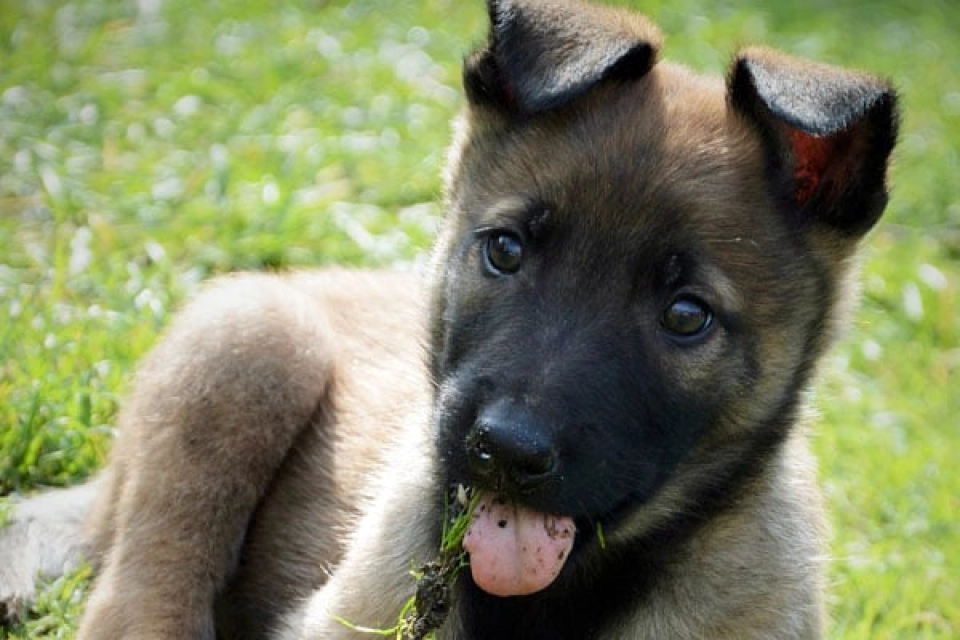
The Belgian Malinois coat looks deceptively low-maintenance — short, tight, and surprisingly clean after a muddy walk. What catches owners off guard is how fine Malinois hairs embed in upholstery and car seats unlike longer-coated breeds. Weekly brushing handles the day-to-day, but spring and autumn moults bring a sharp spike in loose undercoat. Keep ears checked weekly and nails trimmed every three to four weeks.
Feeding a Belgian Malinois is not like feeding a typical large dog — caloric needs shift significantly with activity level, more so than in most breeds. A working or sport Malinois can need noticeably more food than a pet-home Malinois the same size. Many families who chose a Belgian Malinois through EuroPuppy find that adjusting portions to the dog’s body condition, rather than just following the bag’s guidelines, gives far better results. A lean, muscular build is the goal; both underfeeding and overfeeding show quickly on this athletic breed.
-
How much should I feed a Belgian Malinois puppy and adult?
Puppies up to six months need three to four meals daily; adults do best on two. An active adult typically needs around 2.5 to 3.5 cups of quality, protein-rich food per day, split morning and evening. Adjust based on weight and activity — and avoid free-feeding, as Malinois can overeat when bored.
-
What should I feed a Belgian Malinois to support high energy and muscle condition?
Choose a food with a named meat as the first ingredient — chicken, beef, or fish — and at least 25–28% protein for an active adult. Malinois used in sport or working roles may benefit from a performance formula. Avoid fillers like corn or soy as primary ingredients; they provide poor-quality calories for a breed that depends on lean muscle and sustained energy.
-
Can I groom a Belgian Shepherd Dog at home, or do I need a professional groomer?
Almost all Belgian Malinois grooming can be done at home — the short, smooth coat needs no clipping or trimming. A firm bristle brush, an undercoat rake for shedding season, nail clippers, and a gentle dog shampoo cover everything. The one exception worth considering is a professional bath-and-blow-dry during peak moults, which clears loose undercoat faster than home brushing alone.
Is Belgian Malinois Right for You?
Suitability and Lifestyle Match
The Belgian Malinois thrives with an active, experienced owner who treats dog training as a genuine hobby, not just a weekend task. Belgian Malinois owners consistently tell us that the biggest reward is having a dog who is deeply loyal, endlessly capable, and genuinely enjoyable to work with — whether that means daily runs, agility training, or long weekend hikes. A home with a securely fenced yard and a handler who enjoys consistent engagement is where this breed truly shines.
If your days are long and unpredictable, or exercise means a short stroll around the block, a Malinois may feel frustrated and develop problem behaviours quickly. This is also not an ideal match for first-time dog owners or homes with very young children. But if you’re active, confident, and ready to invest real time into training — you’ve found a breed that gives everything back tenfold.
Practical Guide to choosing and buying a Belgian Malinois
-
How much does a Belgian Malinois puppy cost?
Champion-bloodline Belgian Malinois puppies from breeders with verified show credentials, full health testing, and written guarantees typically range from €1,500 to €2,800. Most established European listings cluster between €1,600 and €2,200. The price reflects the exceptional dual-standard breeders must meet — simultaneously selecting for show-ring conformation and high working drive, while completing OFA/BVA hip and elbow screenings that are mandatory with this breed’s active lifestyle.
-
What other costs do I need to consider when owning a Belgian Malinois?
Plan for high-quality food, routine vet visits, vaccinations, and preventive care like flea and heartworm treatments. The Belgian Malinois has a short, easy-care coat requiring only weekly brushing, so professional grooming costs are minimal.
The most important optional expense is professional training. This breed’s exceptional intelligence and intense drive mean structured, expert guidance isn’t a luxury — it’s a necessity. Without it, an under-stimulated Malinois can become genuinely challenging to live with. Pet insurance is also wise, given the breed’s very active lifestyle.
A note on this guide: The information here reflects over 25 years of experience working with Belgian Malinois breeders, professional dog trainers and licensed veterinarians — enriched by real-world insights from thousands of EuroPuppy families who live with this breed every day.
Similar Breeds
Ready for your Belgian Malinois Puppy?
New Puppy Alert
Be ahead of the Crowd when a new Belgian Malinois is available by signing up to our Puppy Alert.