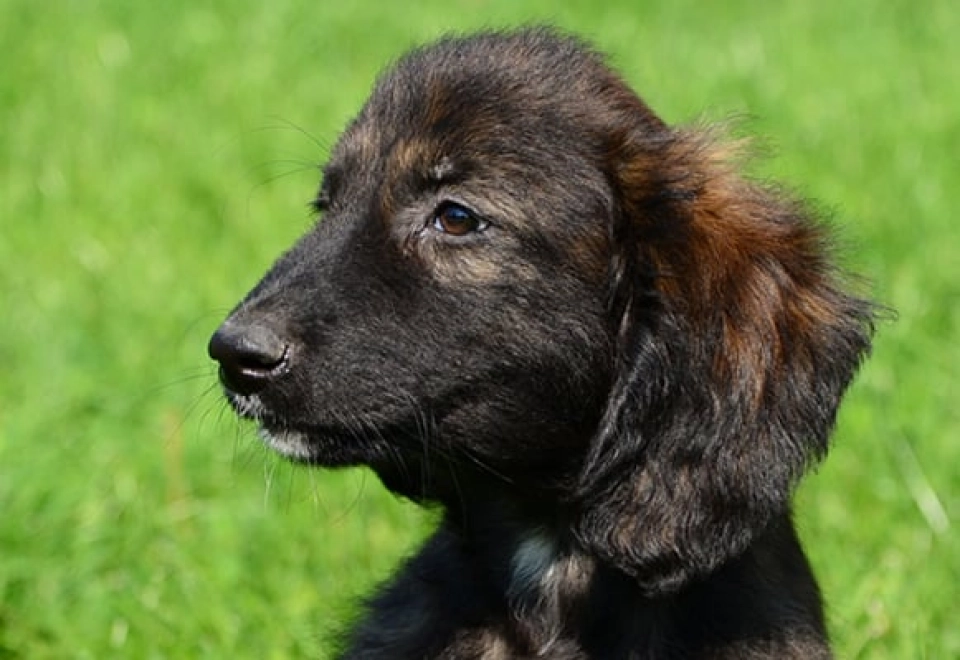
Afghan Hound Breed Guide

Afghan Hound Breed Guide

breed-info-group-suitability

Suitability

good_with_kids

Good with Kids

good_with_pets

Generally Friendly with Pets

apartment_living

Potentially Suitable for Apartments

first_time_owners

Challenging for first-time owners

breed-info-group-breed2

Breed

Extra Large

64-69 cm
25-27 inches

20-24 kg
50-60 pounds

12-15 years

Silky, long dense coat

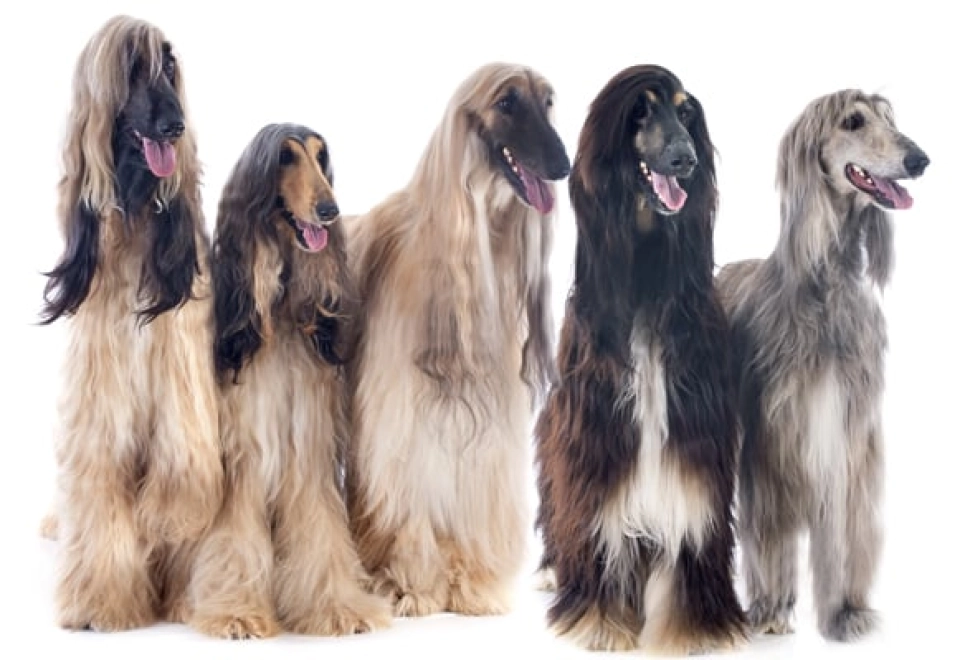
Apricot, Red, Cream, Tri-color, Black, Multi-colored variations

breed-info-group-care

Care

energy_level

High Energy (Active, needs exercise)

exercise_needs

60-90 minutes exercise/day

grooming

Very High (Daily intensive care)

shedding

Occasional shedding

barking

Rarely barks

training

Difficult (Hard to train)

health_text

Generally healthy

hypoallergenic

Allergen (Allergy-friendly coat)

separation_anxiety

Needs Constant Company

Ready for your Afghan Hound Puppy?

Afghan Hound At-a-Glance

Breed Overview & Physical Traits

Afghan Hound dog

The Afghan Hound — also known as the Tazi or Baluchi Hound — is one of the oldest breeds on earth, with origins tracing back over 4,000 years in the mountain regions of Afghanistan. Nomadic tribes and Afghan royalty used them to hunt leopards, gazelles, and deer across rugged, high-altitude terrain, relying on their extraordinary speed and keen eyesight rather than scent.

British officers brought the breed to Europe in the early 20th century, and the AKC officially recognized the Afghan Hound in 1926. Today, this ancient sighthound is rarely used for hunting. Instead, the Afghan thrives as a show dog, lure coursing competitor, and devoted companion — best suited to patient, experienced owners who appreciate a proud, independent spirit.

The Afghan Hound is instantly recognizable: a tall, lean, and aristocratic dog standing 63–68 cm, with a long silky coat, a proud topknot, and a slim tail carried in an elegant upward curve. The coat is thick and fine-textured on the body, with a short, close saddle along the back — a natural adaptation to extreme mountain temperatures.

All colors are accepted; the most common include black, red, cream, blue, brindle, and apricot — though white markings on the head are considered undesirable in the show ring.

Afghan Hound Temperament

Playfulness, Affection, and Social Traits

Afghan Hound dog

The Afghan Hound is a breed of fascinating contrasts. Bred for centuries to hunt independently across vast mountain terrain, they think for themselves and follow their own instincts rather than simply deferring to you. This independence means training requires patience, consistency, and a calm, gentle hand — harsh corrections will cause them to shut down entirely.

They are sensitive souls beneath that aristocratic exterior, and they respond far better to positive reinforcement and quiet confidence than to firm authority. Housebreaking, in particular, can take longer than with more biddable breeds, so new owners should go in with realistic expectations.

  • Afghan Hounds are sweet and deeply affectionate with their family, often following their favourite person from room to room. With strangers, they are dignified and aloof — never aggressive, just selective. At home, expect a playful, even goofy side, especially with older children. They bond closely with their people but tend to engage on their own terms, not yours.

Afghan Hound Exercise & Training

Activity Requirements for a Happy Dog

Afghan Hound dog

Afghan Hounds thrive on 60–120 minutes of daily vigorous activity like brisk walks, runs, or sprints in secure areas, thanks to their high energy from sighthound roots. Add mental games such as scent work or lure coursing to engage their independent minds and curb boredom. Active families will love their joyful spirit, but couch potatoes may find them demanding.

  • House training an Afghan Hound puppy takes patience — their independent, aloof nature means they’re less eager to please than other breeds. Consistent routines, taking your puppy out after every meal, nap, and play session, combined with calm praise, will get you there reliably.

  • Afghan Hounds need 60–90 minutes of daily vigorous exercise — a long leash walk plus free sprints in a securely fenced area — to satisfy their spirited sighthound drive. Many Afghan Hound owners recommend adding short scent games and basic obedience sessions to keep their independent minds engaged without overdoing it.

  • Lure coursing is the ultimate mental and physical outlet for Afghan Hounds, tapping directly into their sighthound instinct to chase. At home, hide-and-seek with treats, flirt pole play, and puzzle feeders all keep their sharp, independent minds happily occupied between outdoor runs.

Afghan Hound Health & Wellness

Common Issues and Lifelong Care

Afghan Hound dog

The Afghan Hound is considered a generally healthy and long-lived breed, but like all purebred dogs, it carries some specific vulnerabilities that every new owner should understand before bringing one home. Knowing what to watch for — and which health tests to ask your breeder about — gives your dog the best possible start in life.

Eye health is one of the most important areas to monitor in an Afghan Hound. Both cataracts (clouding of the eye lens that can lead to blindness) and Progressive Retinal Atrophy (PRA), a gradual degeneration of the retina that often begins with night blindness, are documented concerns in the breed. A puppy from a responsible breeder will come from parents who have passed certified eye exams.

Joint health and breed-specific neurological risks also deserve attention. Hip and elbow dysplasia — where the joints develop abnormally, causing pain and eventual arthritis — are present in the breed, though they are not as severe a concern as in heavier breeds.

Far more unique to the Afghan Hound is Afghan Myelopathy, a rare but serious genetic neurological disorder that attacks the spinal cord, usually appearing between 6 and 18 months of age and progressing to hind leg weakness or paralysis. There is no cure, which is why genetic testing and selective breeding are so critical. Reputable breeders screen for this condition, and it is one of the best reasons to avoid purchasing from an unverified source.

One fact that surprises many first-time owners is the Afghan Hound’s well-known sensitivity to anaesthesia. Like all sighthounds, Afghans have very low body fat, which means anaesthetic drugs are metabolised differently — they can stay in the system much longer than in other breeds. This is not a reason to panic, but it does mean that if your dog ever needs surgery or even a dental cleaning under sedation, you must inform your vet upfront that you have a sighthound.

Annual vet check-ups, early genetic health testing by your breeder, and choosing a puppy from a breeder who screens for hips, eyes, and thyroid will set you up for a long and healthy life together.

  • Afghan Hounds are generally healthy dogs with a long lifespan of 12–14 years, but potential costs include eye specialist check-ups, hip screenings, and — critically — surgery under anaesthesia, which requires a sighthound-experienced vet and extra monitoring time. Budgeting for annual specialist eye and joint exams is wise for any Afghan Hound owner.

Essential Afghan Hound Care

Grooming, Feeding, and Daily Needs

Afghan Hound dog

Afghan Hound owners consistently tell us that living with one means regular coat care and more sand and leaves indoors than many first-time owners expect. Plan a bath and brushing every 7–14 days, plus quick post‑walk checks for tangles. Always groom a clean, damp coat, never a dry one, to avoid breakage and painful mats.

Afghans are slim, moderate eaters and usually do best on a high‑quality, easily digested diet that supports skin and coat. Feed adults two measured meals per day and puppies three to four smaller meals, using smaller, calmer portions rather than one huge feed to reduce bloat risk.

  • Afghan Hound puppies (up to 6 months) typically need 3–4 small meals daily to support growth. Adolescents (6–12 months) transition to 2–3 meals. Adults do best on 2 meals per day to maintain lean weight and reduce bloat risk.

  • A high-quality diet for an Afghan Hound features 22–28% quality protein (chicken, beef, lamb), 10–18% healthy fats, and digestible carbs like sweet potato for energy. Feed two small meals daily to reduce bloat risk in their deep chest. Keep portions slim to maintain lean athletic build.

  • Plan to brush most days and bathe every 1–2 weeks for a coated Afghan. Use a good pin brush, slicker, wide‑tooth comb, conditioning spray, quality shampoo and conditioner, plus a strong dryer. Never brush a dry, dirty coat; always bathe or thoroughly mist first.

  • Check the coat daily, remove debris, and lightly brush tangle‑prone spots like ears, armpits, thighs and tail. Every 1–2 weeks, bathe with gentle shampoo and conditioner, then blow‑dry while brushing from hair tips back to the skin. Work slowly on any mats so the process stays comfortable.

Is Afghan Hound Right for You?

Suitability and Lifestyle Match

The Afghan Hound is best suited to patient, experienced dog owners who love a challenge — and a commitment. Although they are sweet and affectionate at home, as a sighthound they are naturally independent and notoriously difficult to train, so first-time owners may find the learning curve steep. Add in a glorious long coat that demands intensive daily grooming, and a big fenced yard to safely satisfy their explosive speed, and you have a dog that rewards devoted owners with a truly aristocratic companion.

If your household runs loud and hectic, or you’re regularly away for long hours, this breed’s sensitive temperament won’t thrive. Very young children who haven’t learned gentle handling can also be a mismatch — the Afghan Hound prefers calm interaction over rough play. If you can offer space, structure, and your daily presence, you’ll have one of the most striking companions in the dog world.

Practical Guide to choosing 
and buying a Afghan Hound
Afghan Hound dog
  • Beyond the purchase price, owning an Afghan Hound comes with some real ongoing costs worth planning for. Food, routine vet visits, flea and heartworm preventives, and grooming tools or professional grooming sessions are all necessary parts of responsible ownership that add up through the year.

    Pet insurance is optional, but many Afghan owners consider it a smart safety net given the breed’s sensitivity to anaesthesia and potential for unexpected vet bills. Grooming is the one cost that truly stands out with this breed — whether you do it at home or use a professional, it is never skippable, so factor it in from day one.

  • For a well‑bred Afghan Hound puppy from a reputable breeder with strong champion bloodlines, full health testing and written guarantees, most recent sources put the price roughly in the 3,000–5,500 EUR range, with many examples clustering around 3,500–4,500 EUR.

    In high‑demand kennels or for especially promising show prospects, prices can go higher, and reputable breeders consistently stress that this reflects both pedigree quality and the considerable cost of responsible screening and rearing.

A note on this guide: The information here reflects over 25 years of experience working with Afghan Hound breeders, professional dog trainers and licensed veterinarians — enriched by real-world insights from thousands of EuroPuppy families who live with this breed every day.

New Puppy Alert

Be ahead of the Crowd when a new Afghan Hound is available by signing up to our Puppy Alert.

    1


    web-ebook-factors1