Trusted by Over 15 000 Families since 2001



 Available Puppies
Currency
Country
Language

Cavapoo Breed Guide
A Healthy, Happy Cross Breed
Written by Sandor Fagyal, EuroPuppy Founder &
Dog Industry Expert
Last updated: May 29, 2026

Suitability

Excellent with Kids

Adapts Well with Pets

Suitable for Apartment Living

Excellent for first-time owners

Breed
Size
Small
Height
23-36 cm
9-14 inches
Weight
4-10 kg
9-25 pounds
Lifespan
12-16 years
Coat Type
Medium curly coat
Colors
Cream to red, black, chocolate, parti variations included

Care

Moderate Energy (Regular walks/play)

45–75 minutes of exercise/day

High (Frequent professional grooming)

No Shedding (Hypoallergenic)

Barks at Strangers & Unfamiliar Noises

Moderate (Requires patience)

Generally healthy

Allergen (Allergy-friendly coat)

Needs Constant Company
Similar Breeds


Ready for your Cavapoo Puppy?

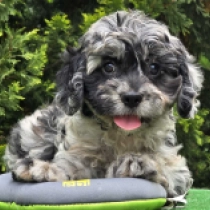


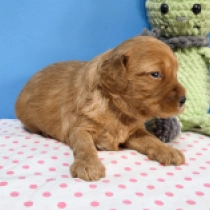
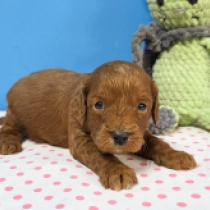
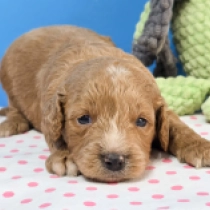
Cavapoo At-a-Glance
Breed Overview & Physical Traits

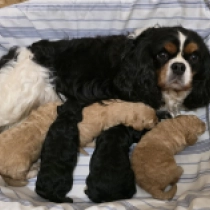
The Cavapoo, also known as the Cavadoodle or Cavoodle, is a purposefully designed crossbreed combining the Cavalier King Charles Spaniel with a Miniature or Toy Poodle. Breeders in Australia first began developing this mix intentionally in the 1990s, aiming to create a small, friendly companion dog that shed very little and suited allergy-prone households.
The driving goal behind the Cavapoo was simple: pair the Cavalier’s warm, gentle heart with the Poodle’s sharp intelligence. The result was a breed perfectly shaped for family life — happy with children, kind toward strangers, and devoted to whoever they live with. Unlike working breeds bred for a specific job, the Cavapoo was built entirely for companionship.
Today the Cavapoo thrives as one of the most popular small companion dogs in Europe, in the US, and beyond. Cavapoo owners often praise their dogs for their remarkable adaptability to different family lifestyles, whether it involves an active or relaxed environment. They suit first-time owners, families with young children, and those living in apartments equally well. Their forgiving, gentle temperament makes them an ideal choice for quieter households as well, catering to retirees and single professionals who work from home.
One of the Cavapoo’s most celebrated features is its soft, low-shedding coat, which can range from gently wavy to tightly curled depending on which parent the puppy takes after most. The texture is always plush and inviting to the touch. Most owners find a trim from a professional groomer every few months keeps the coat tidy and tangle-free.
Cavapoo colors come from both parent breeds, so the palette is genuinely wide. Red, apricot, and Blenheim chestnut-and-white are the most common shades you’ll encounter, while gold, cream, chocolate, and solid black appear regularly too. Rarer combinations include tricolor, phantom, and blue merle. It’s worth knowing that coat color often softens or fades gently as the dog matures.
Cavapoo Temperament
Playfulness, Affection, and Social Traits

Cavapoo owners consistently tell us that their dog feels more like cheerful little family members than a pet, always ready for a cuddle or a quick game. They blend the Cavalier’s sweetness with the Poodle’s bright, social nature, so most love meeting new people, joining children’s play, and relaxing close by once the fun is over.
New Cavapoo owners are often surprised by how tuned-in and sensitive these dogs are to household moods. Some are silly, bouncy playmates, others more laid-back snugglers, but most dislike being ignored and can bark at unusual sounds or strangers. With kind guidance and early socialisation, they usually stay friendly, confident, and easy to live with.
-
Can Cavapoos be left alone, or do they get separation anxiety?
They are highly people-oriented, so many struggle if left alone for long workdays. Owners often report clingy “velcro dog” behaviour, barking or chewing when bored or worried. Building up alone-time slowly, using toys and calm routines, helps most dogs cope, but they suit homes with regular company.
-
Do Cavapoos get along with other dogs and pets?
Most do very well, especially when socialised early with friendly dogs, cats, and visitors. Their usual mix of gentle curiosity and playfulness means they like joining in games rather than starting trouble, though some may inherit a bit more wariness or chase instinct and need steady, positive introductions.
-
Are Cavapoos affectionate and cuddly?
Very much so; this mix was first bred for good temperament, and most dogs grow into soft-natured lap companions who love constant touch and eye contact. They often follow you from room to room and relax happily beside you after play, so they suit owners who enjoy close, daily affection.
-
Are Cavapoos good with kids?
Generally yes; most are gentle, playful little dogs who enjoy family games and are patient with kind children when supervised. Their small size and people-focused nature help them read household moods well, so they often slot into busy homes that offer calm handling, clear rules, and daily interaction.
Cavapoo Exercise & Training
Activity Requirements for a Happy Dog

Many families who chose a Cavapoo find that their exercise needs are wonderfully adaptable—energetic enough for active households yet content with moderate daily activity. A healthy adult thrives on 40 to 60 minutes of exercise, combining brisk walks with garden play and mental challenges. Without adequate outlets, boredom surfaces as unwanted behaviors, so consistency matters more than intensity.
Training a Cavapoo is remarkably rewarding thanks to their Poodle intelligence and Cavalier eagerness to please. They excel with positive reinforcement and short, engaging sessions, making them ideal for first-time owners. To prevent separation anxiety, start independence training from day one—practice brief absences, use crate training positively, and maintain calm hellos and goodbyes. Their curious nature and strong scenting instincts mean recall training requires ongoing patience, especially when distractions like new smells or other dogs capture their attention.
-
Are Cavapoos easy to train for first-time owners?
Cavapoos are highly trainable thanks to their intelligence and eagerness to please, making them excellent for first-time owners. They respond brilliantly to positive reinforcement—treats, praise, and short training sessions work best. Keep sessions under 10 minutes for puppies to maintain focus. Their forgiving nature means mistakes during training won’t set you back significantly.
-
How do I keep my Cavapoo mentally stimulated?
Mental stimulation prevents boredom-driven behaviors. Use puzzle feeders, snuffle mats, and treat-dispensing toys to challenge their problem-solving skills. Rotate toys monthly to maintain novelty, teach new tricks regularly, and vary walking routes for fresh scents. Even simple games like hide-and-seek with treats provide excellent mental workouts that tire them as effectively as physical exercise.
-
How much exercise does a Cavapoo need each day?
A Cavapoo needs 40 to 60 minutes of daily exercise, split between walks, playtime, and interactive games. This can include a morning walk, a play session in the garden, and an evening stroll. Their Poodle heritage brings intelligence and energy, while the Cavalier side offers adaptability, so they’re happy with varied activities as long as consistency is maintained.
Cavapoo Health & Wellness
Common Issues and Lifelong Care

Cavapoos are generally a very healthy breed that combines the best traits of both Cavalier King Charles Spaniels and Poodles. Most live active, happy lives with minimal health concerns when bred responsibly and given proper care. Understanding a few key health areas helps you keep your Cavapoo thriving throughout their life, from puppyhood into their senior years.
Many families who chose a Cavapoo find that proactive screening makes all the difference. Responsible breeders test parent dogs for heart function, eye health through specialist veterinarians, and genetic conditions via DNA panels—including progressive retinal atrophy and curly coat syndrome. Buyers should request documentation showing heart clearances, eye certifications, and elbow assessments from both parents before committing to a puppy.
Heart health deserves attention because the most significant concern is mitral valve disease—a progressive heart condition affecting the Cavalier lineage that may surface subtly through an early murmur or develop gradually over years. Regular cardiac screening catches problems early when medications can slow progression and maintain quality of life for years. Without screening, owners often miss early warning signs until the dog shows fatigue, coughing, or breathing difficulty—stages where treatment is less effective and more costly.
Keeping joints healthy starts with smart prevention. Patellar luxation occurs when the kneecap slips out of position, causing a skip or bunny-hop in their walk. Weight management from puppyhood protects developing joints—even slight overweight multiplies stress on small frames. Low-impact exercise like swimming and short walks builds muscle support around the knee. Regular vet checkups catch early signs before surgery becomes necessary, and elbow screening helps breeders select parents less likely to pass this trait.
Dental care becomes part of your routine rather than a surprise expense. Small mouths mean teeth sit close together, making plaque buildup faster than in larger breeds. The good news: prevention is simple and fits into regular grooming. Daily brushing with dog-safe toothpaste takes two minutes, and your groomer can check teeth at every visit. Veterinary-approved dental chews between brushings keep gums healthy. Professional cleanings every six to twelve months prevent painful problems and protect overall health.
-
How long do Cavapoos live?
Cavapoos typically live 12 to 15 years with proper care, and some reach beyond this range. Longevity depends on genetics, maintaining a healthy weight, daily exercise, and routine veterinary checkups—ideally annual visits until age eight, then twice yearly. Early detection of heart murmurs or other conditions, combined with quality nutrition and dental care, significantly influences lifespan. First-generation crosses often benefit from hybrid vigor.
-
What health problems are Cavapoos prone to?
Cavapoos are generally very healthy dogs. The top three concerns are heart murmurs (particularly mitral valve disease inherited from Cavaliers), joint issues like patellar luxation affecting around 15%, and eye conditions including progressive retinal atrophy. Reputable breeders perform cardiac, eye, and DNA health screenings on parent dogs to minimize these risks, giving your puppy the healthiest possible start.
Essential Cavapoo Care
Grooming, Feeding, and Daily Needs
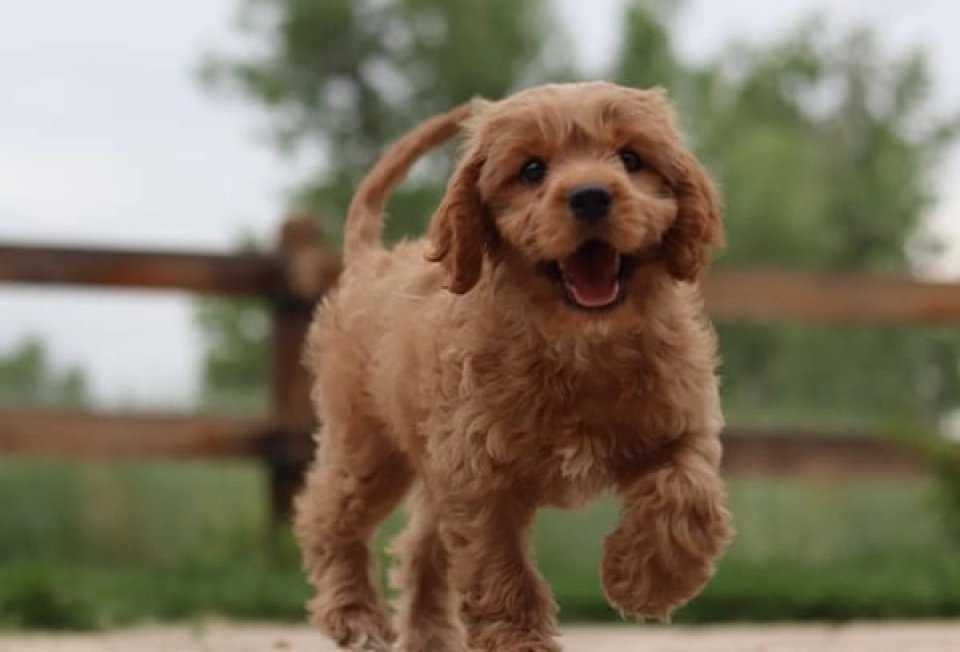
The Cavapoo requires consistent daily care to keep their coat healthy and mat-free. Plan for 10–15 minutes of brushing every day or every other day, ideally done when returning from your daily walk. Professional grooming every 4–6 weeks is essential to prevent skin irritation, infections, and painful matting that develops deep at the roots where home brushing cannot reach.
The coat mats quickly around ears, armpits, and legs, which is why professional groomers can catch early problems before they require shaving. Floppy ears require weekly cleaning to prevent infections. Daily face wiping manages tear staining, common in lighter Cavapoos. Weekly dental brushing helps prevent tartar buildup and gum disease.
Feeding a Cavapoo is straightforward, though some are picky or have sensitive stomachs. Puppies need 3–4 small meals daily; adults eat ¾–1 cup split into two meals. Most dogs enjoy wet food mixed into their kibble, and you can vary the routine by adding small amounts of cooked chicken, chicken hearts, or bologna to keep mealtime interesting and encourage enthusiastic eating.
-
How much should I feed a Cavapoo puppy versus an adult?
Puppies 8–12 weeks old need ¾–1 cup daily split into 3–4 meals; from 3–6 months reduce to 3 meals; at 6 months transition to 2 meals daily for life. Adults typically eat ¾–1 cup total per day. Adjust portions based on activity level and body condition, as Cavapoos gain weight easily if overfed.
-
How often should I bathe a Cavapoo, and what products are safe for their coat?
Bathe adult Cavapoos every 4–6 weeks and puppies every 3 weeks using a gentle, pH-balanced dog shampoo formulated for sensitive skin. Rinse thoroughly for 2–3 minutes to remove all residue, which can cause irritation. Follow with conditioner, rinse again, then towel-dry and blow-dry completely to prevent dampness that leads to matting.
-
How do I clean my Cavapoo’s ears to prevent infections?
Check and clean your Cavapoo’s ears weekly using a vet-approved ear cleaner. Fill the ear canal with solution, gently massage the base for 30 seconds, then let your dog shake their head. Wipe away loosened debris with cotton balls — never cotton swabs. Clean more frequently if ears appear red, smell unusual, or after swimming.
-
How do I prevent matting in my Cavadoodle’s fur?
Never let your Cavadoodle’s coat stay wet after baths or rain; water tightens tangles. Always brush thoroughly before bathing, then blow-dry completely on a cool setting while brushing. Avoid dressing your dog in clothing for extended periods, as fabric rubs against fur and accelerates matting, especially around the chest and legs.
-
How often should I brush my Cavapoo’s coat, and what tools work best?
Brush your Cavapoo every day or at minimum every other day using a slicker brush followed by a metal comb. Start at the ends of the hair and work toward the skin to avoid pulling. Pay extra attention to high-friction areas — ears, neck, armpits, ankles, and behind the collar — where mats form fastest.
Is Cavapoo Right for You?
Suitability and Lifestyle Match
The Cavapoo is an ideal choice for first-time dog owners, families with young children, and anyone seeking a devoted companion who thrives on closeness and affection. They adapt beautifully to apartment living or homes with gardens, requiring only moderate daily exercise (45-75 minutes) to stay happy. Based on feedback from our buyers, their gentle, playful temperament and patient nature consistently delight families, making them wonderfully suited to households that can offer regular companionship and plenty of love.
If your lifestyle involves long working hours away from home—typically more than 4-6 hours daily—a Cavapoo may struggle, as they’re prone to separation anxiety when left alone too long. Their hypoallergenic coat, while perfect for allergy sufferers, requires dedicated grooming every 6-8 weeks plus regular brushing to prevent matting. However, if you have the time for both companionship and coat care, and want a warm-hearted, adaptable little dog, you’ve found your perfect match.
Practical Guide to choosing and buying a Cavapoo
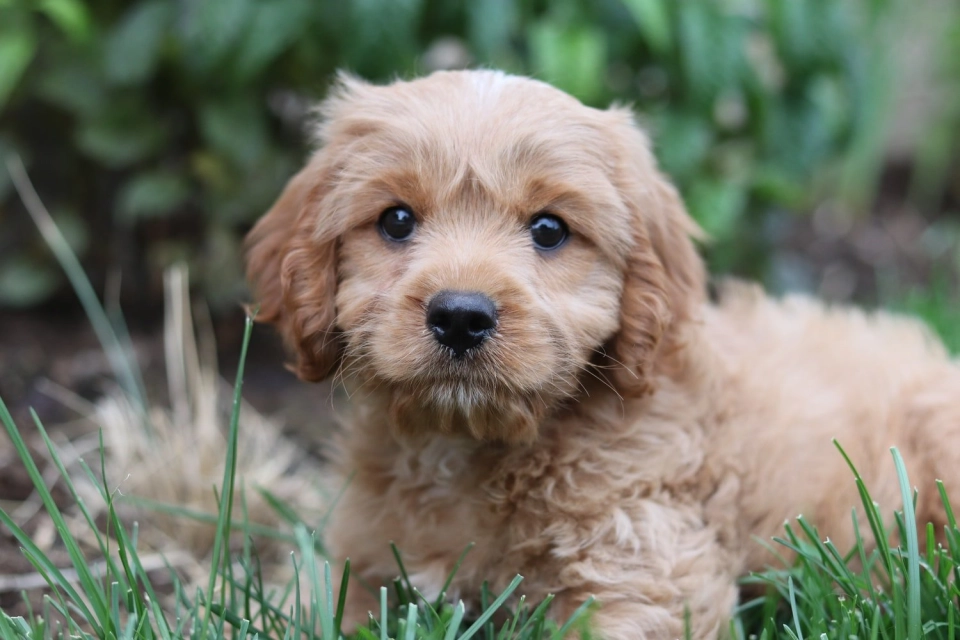
Choosing the right Cavapoo starts with understanding both the joy and the responsibility that come with this sweet, people-loving breed. Before you decide, read our guide on how to choose a Cavapoo puppy. And before you commit, we recommend you understand what affects a Cavapoo’s price; why breeding quality matters, how color can change the cost, and what Mini, F1, F1B, and F2 Cavapoos usually cost.
-
What are the ongoing health costs of owning a Cavapoo?
Veterinary costs vary by region and condition severity, but budgeting $300–600 annually for routine care provides a baseline. Heart disease management, orthopedic surgery, or Addison’s disease treatment can increase expenses substantially. Pet insurance — averaging $300–600 per year — offers financial protection, though pre-existing conditions diagnosed before coverage begins are typically excluded.
-
What other costs do I need to consider when owning a Cavapoo?
Day-to-day costs include food, routine vet visits, and preventive care like vaccinations and flea treatment. Professional grooming is a must for a Cavapoo — that soft, low-shedding coat needs regular brushing plus a professional trim every 6–8 weeks to prevent matting.
For optional costs, pet insurance is a smart investment given the Cavapoo’s inherited risk of heart conditions. Training classes are also a worthwhile addition for this eager-to-please, people-loving breed.
-
How much does a Cavapoo puppy cost?
Expect to pay between €2,000 and €3,500 for a Cavapoo from a breeder with full health screening on both parents and a written health guarantee. Because responsible breeders invest heavily in cardiac, eye, and patella testing — and rarer coat colors like merle or solid black command a premium — the price reflects both the health selection and the demand for specific colors.
A note on this guide: The information here reflects over 25 years of experience working with Cavapoo breeders, professional dog trainers and licensed veterinarians — enriched by real-world insights from thousands of EuroPuppy families who live with this breed every day.
Similar Breeds
Ready for your Cavapoo Puppy?
New Puppy Alert
Be ahead of the Crowd when a new Cavapoo is available by signing up to our Puppy Alert.